Warm Minimalism
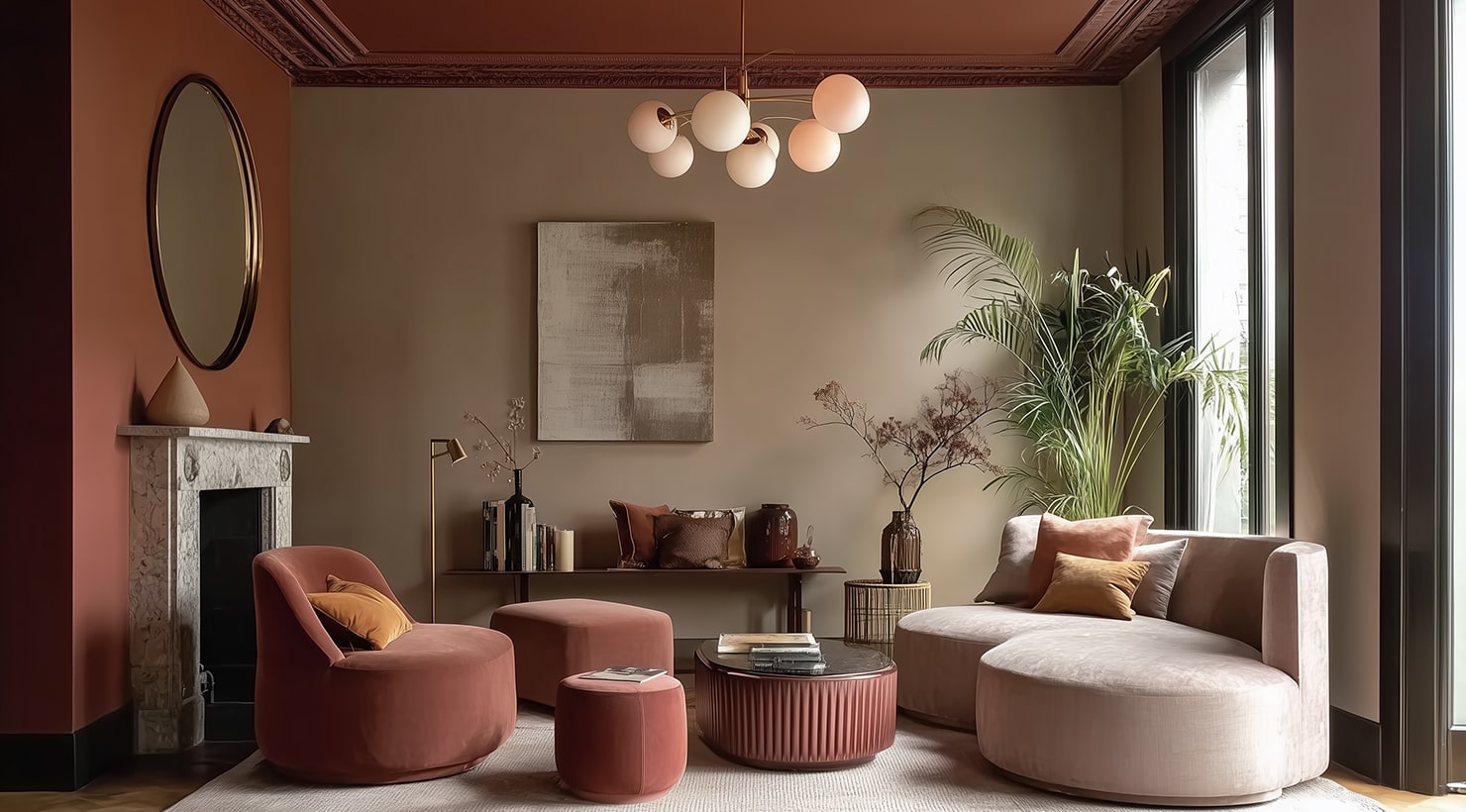
This year, minimalism makes a comeback as the dominant interior design trend. However, 2026 introduces a softer version of minimalism filled with warmth and personality. Forget about cold white walls—this year designers are turning to creamy whites, soft taupes, sandy beige and muted terracotta for a calming and cozy effect. These “new neutrals” balance simplicity and comfort, creating serene interiors that feel more organic and livable. It's a modern home design with a human touch.
Earthy Vibrancy and Rich Color Saturation
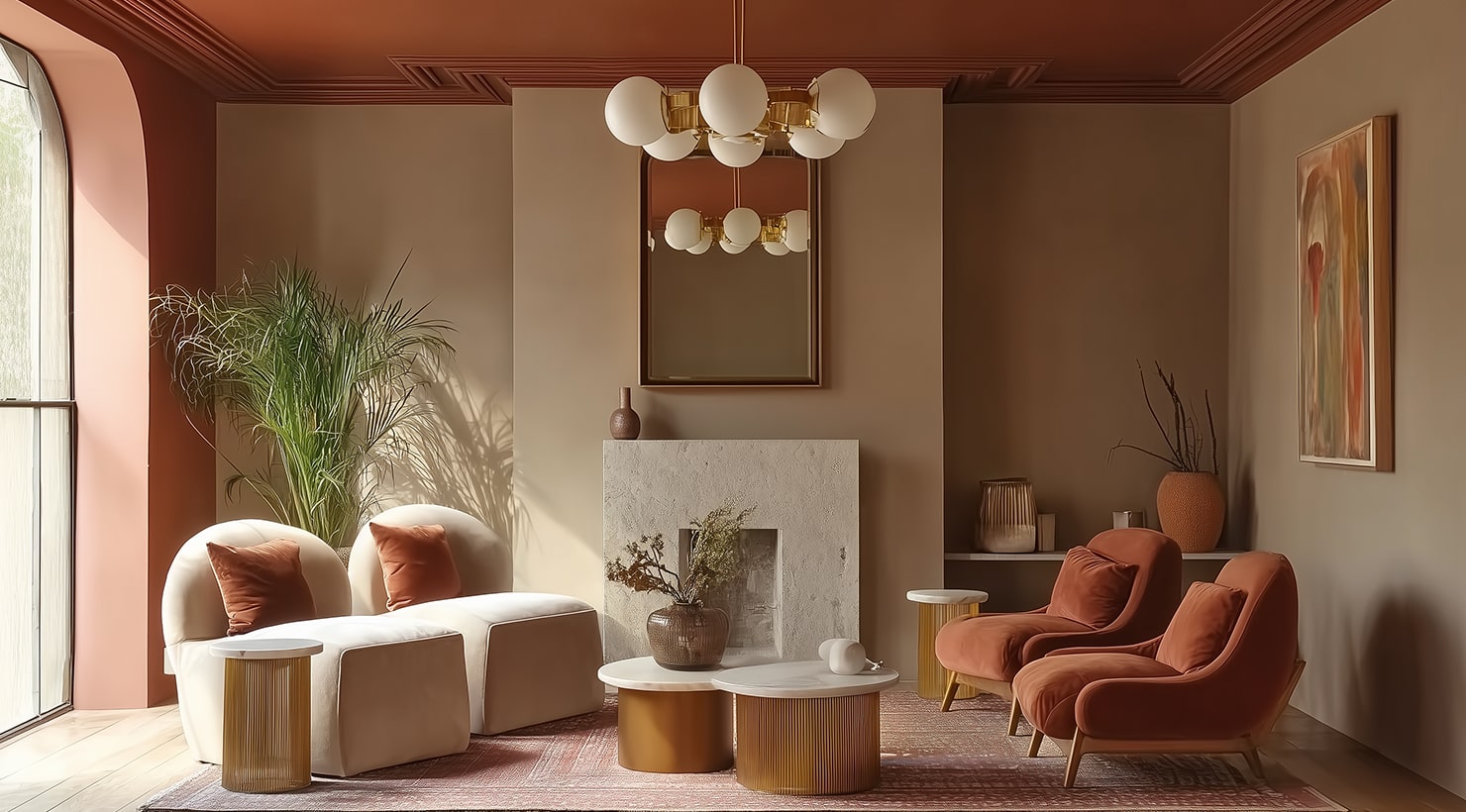
Color in 2026 can be both natural and bold. Think about deep earthy hues—rust, ochre, forest green, plum, and ocean blue. These tones evoke calm while adding vibrancy and depth. Whether used on accent walls, furniture, or decorative details, saturated colors bring emotion and energy into modern home design.
Natural Materials and Layered Textures
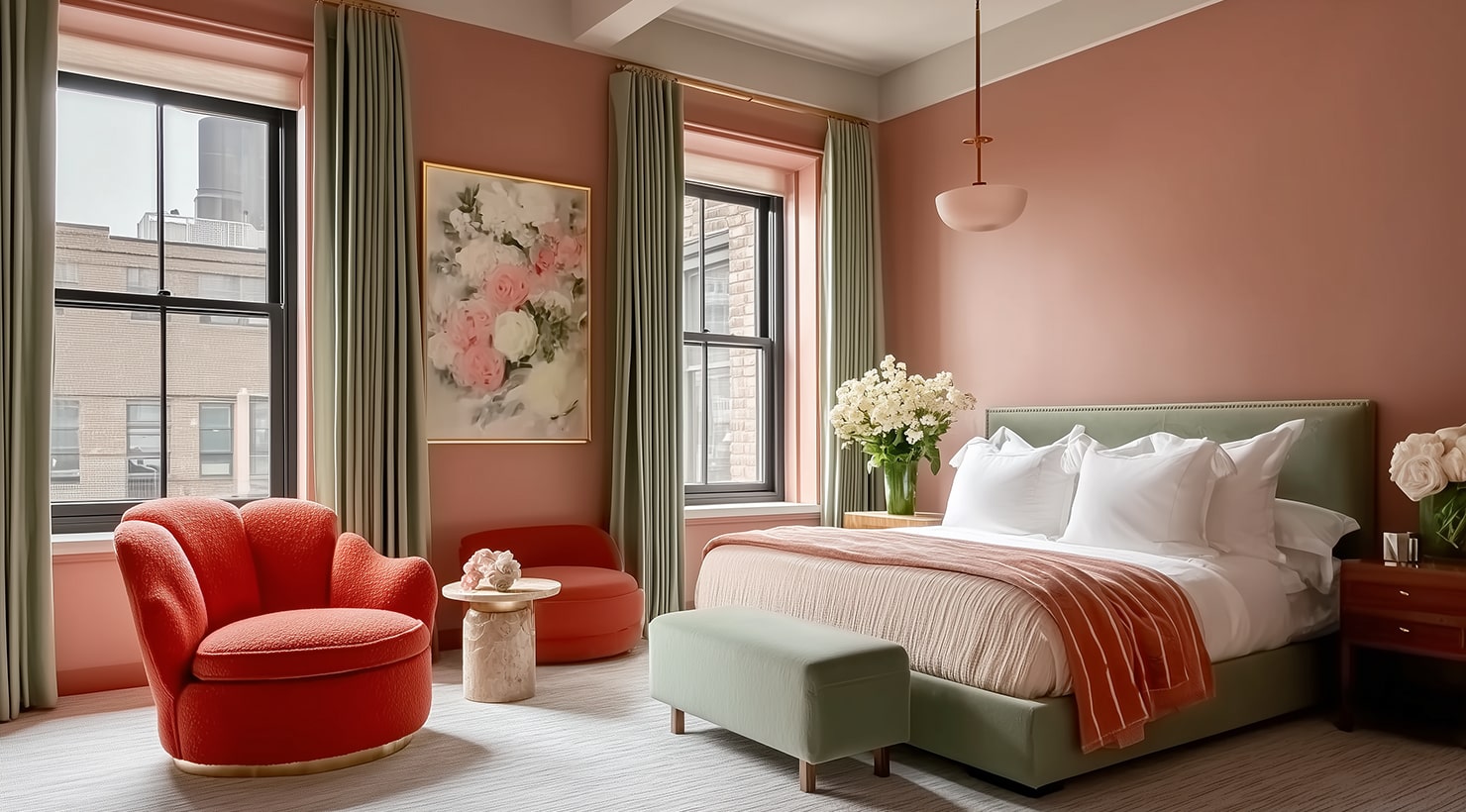
Texture takes center stage in 2026. However, plain and simple patterns and textures are in the process of receding into the historical distance. Instead, modern interior design trends offer consumers choices from natural materials and multi-layer solutions. Forget about the rules and start creating—you are welcome to make unusual texture combinations. For example, the mixture of rough and smooth textures (like stone, wood, and woven fibers) will create a multi-sensory environment that feels rich and authentic and will add depth to your interior design. A single design may include steel, wood, and mesh elements.
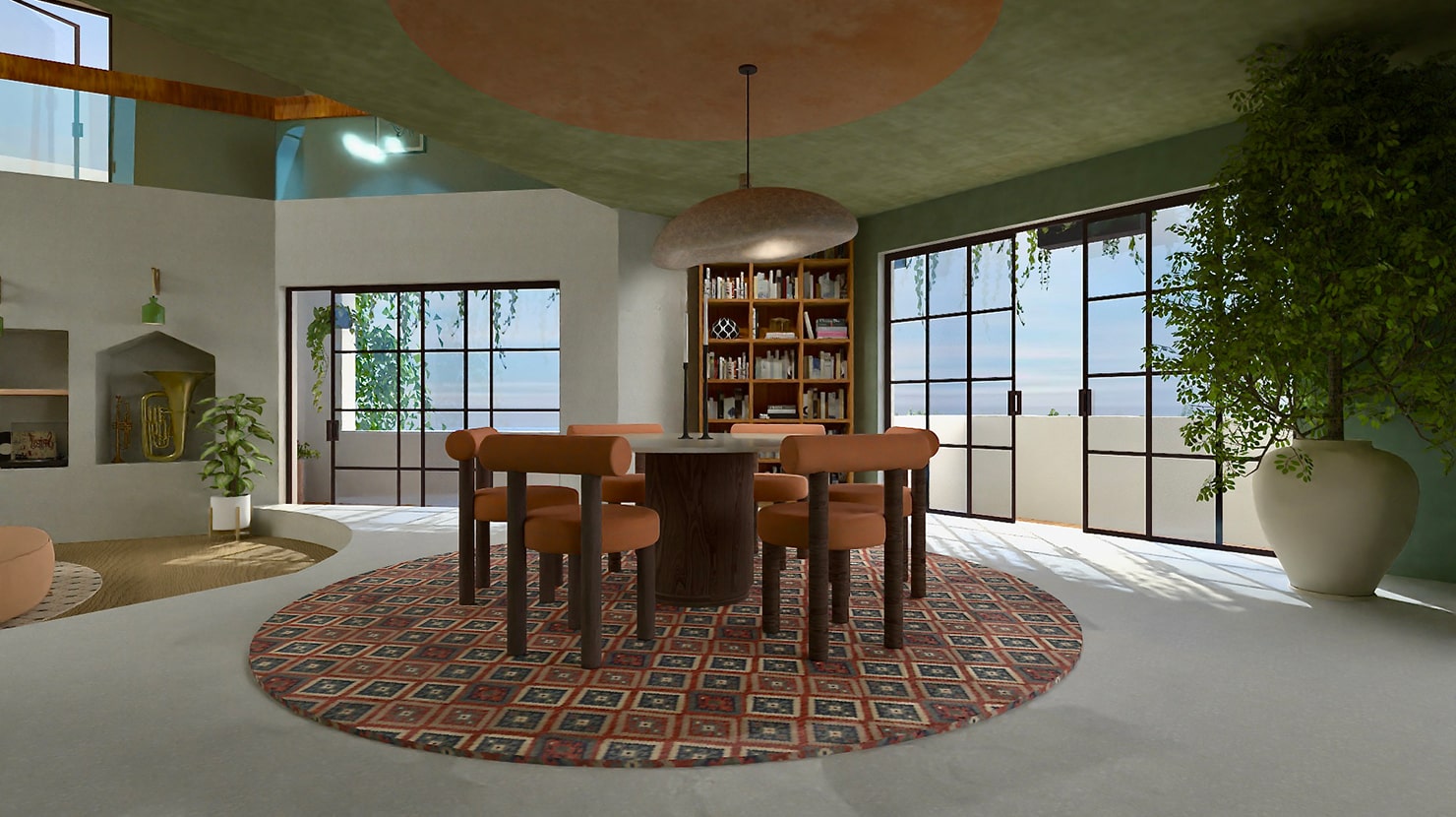
If you want to try mixing and matching different textures in your home design before implementing them in real life, you can conveniently do so in Live Home 3D. The app’s most recent collection of 300+ interior materials will help you combine personal touch and modern trends and create stunning 3D visualizations of your interior design.
Curved Furnishings
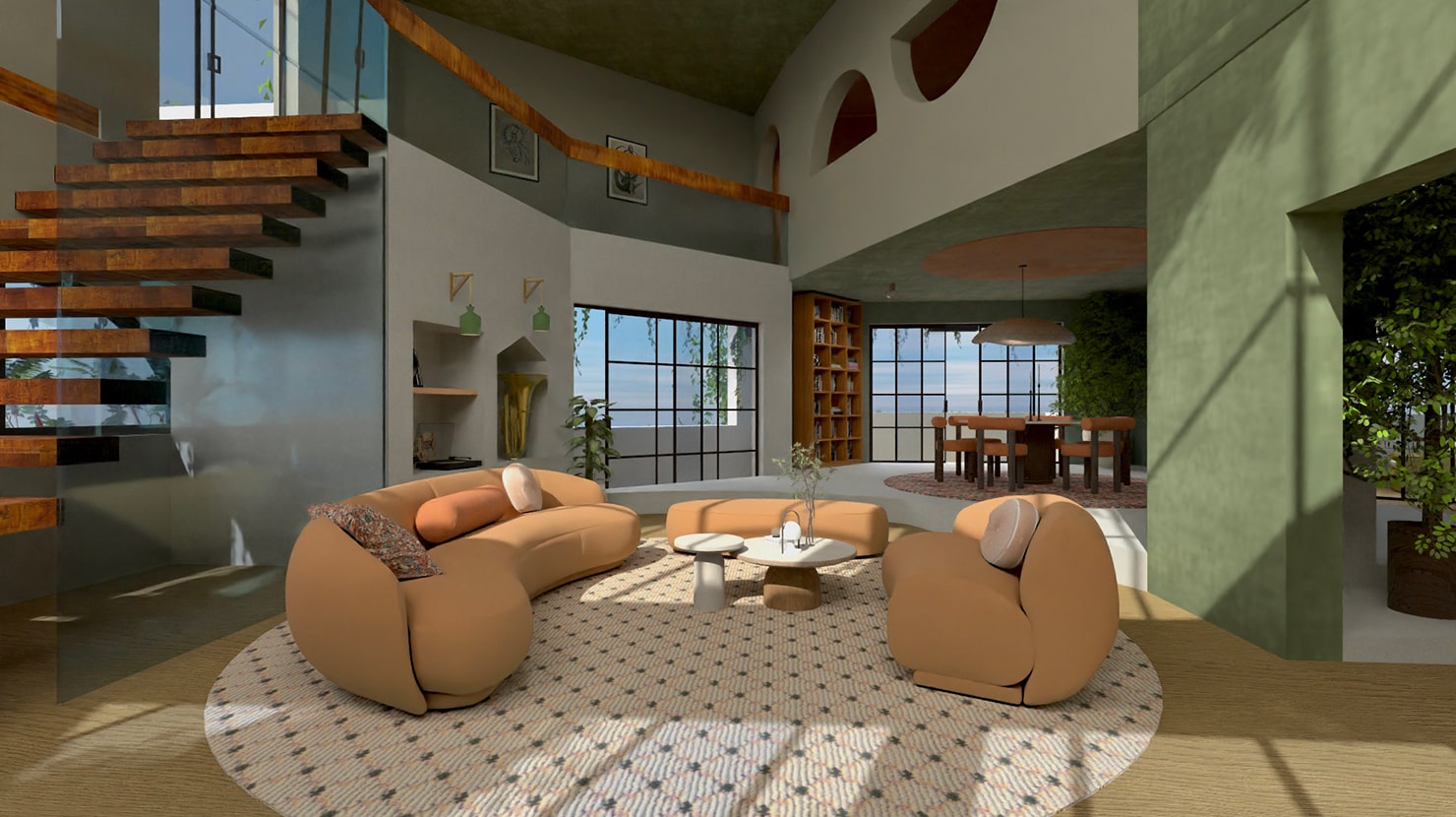
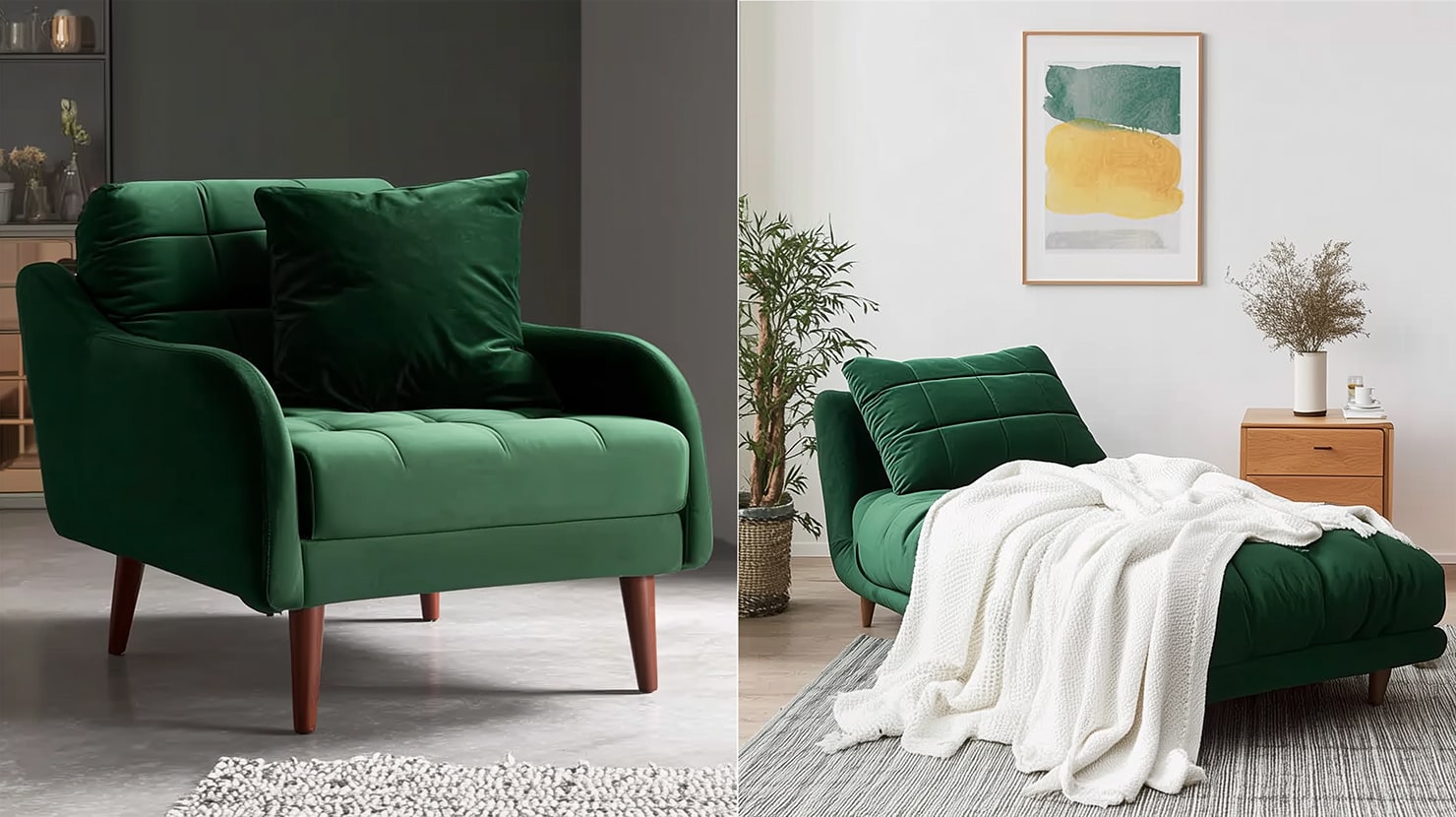
Similar to previous years, rounded furniture is a part of interior design trends for 2026. Why wouldn’t it be? Cozy, comfortable and inviting, you just don’t want to let curved furnishings go. And there’s even scientific reasoning for that: our brains subconsciously associate sharp edges with danger, invoking more stress in home inhabitants. So, it’s not just about trends. The curved furniture obviously looks good, but what’s more important is that it instantly makes you feel less anxious in your own home, while making your space look more inviting and peaceful for your guests.
While some interior design choices help your well being, there are also ones that do the opposite. Learn more in our article about decor mistakes that affect your mental health.
Statement Materials and Artistic Surfaces
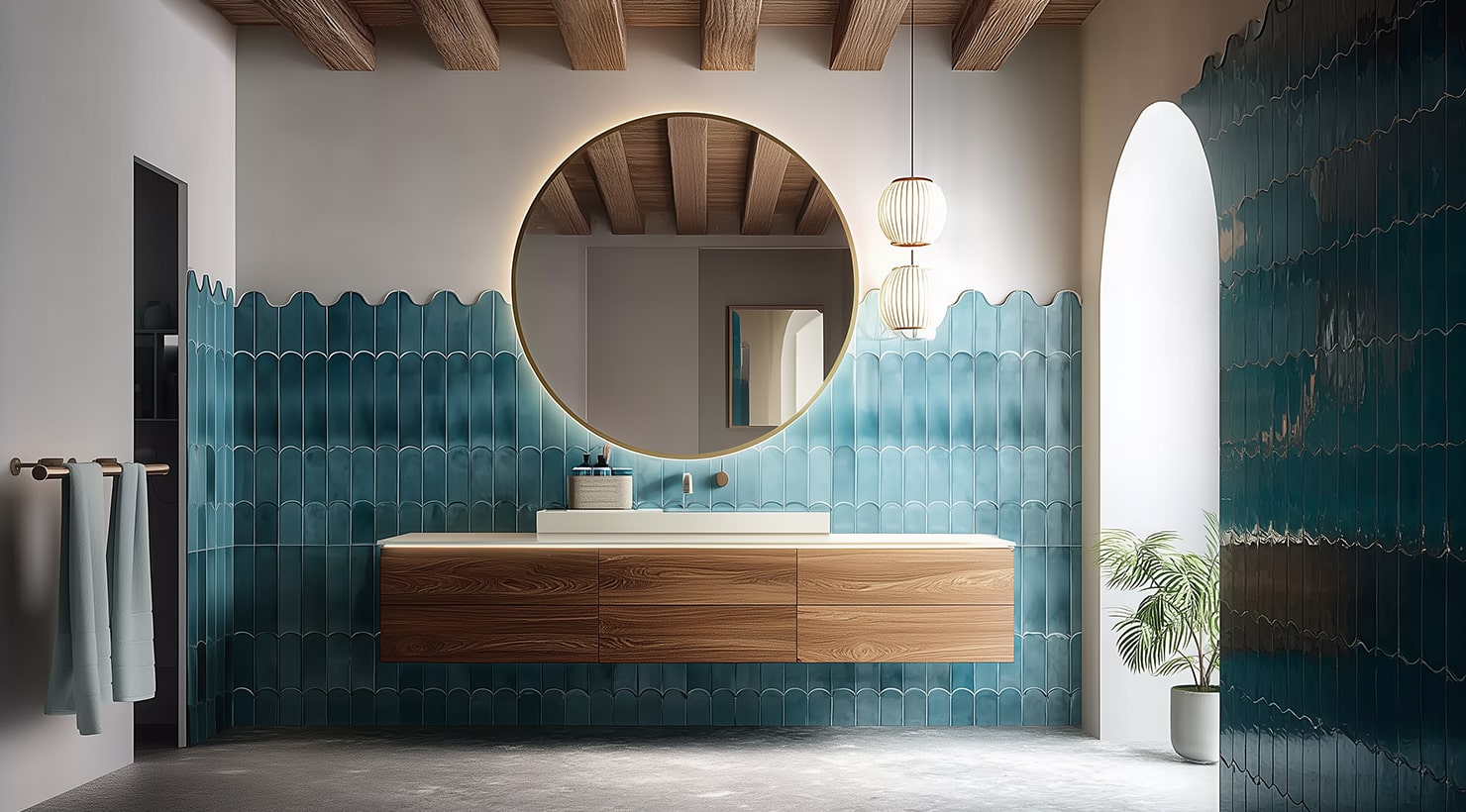
Stone, wood, and tile are no longer background elements—they’re the stars of the show. Expect striking marble veining, richly grained oak, and handmade tiles to define kitchens and bathrooms. This interior design trend turns natural materials into statement art pieces, merging luxury with authenticity. Bold surfaces remind us that craftsmanship and material beauty never go out of style.
Merging Indoors and Outdoors
Interior design trends 2026 embrace a smooth, subtle transition from indoors to outdoors that can result in outdoor kitchens, cozy sitting areas, home wellness spaces, etc.
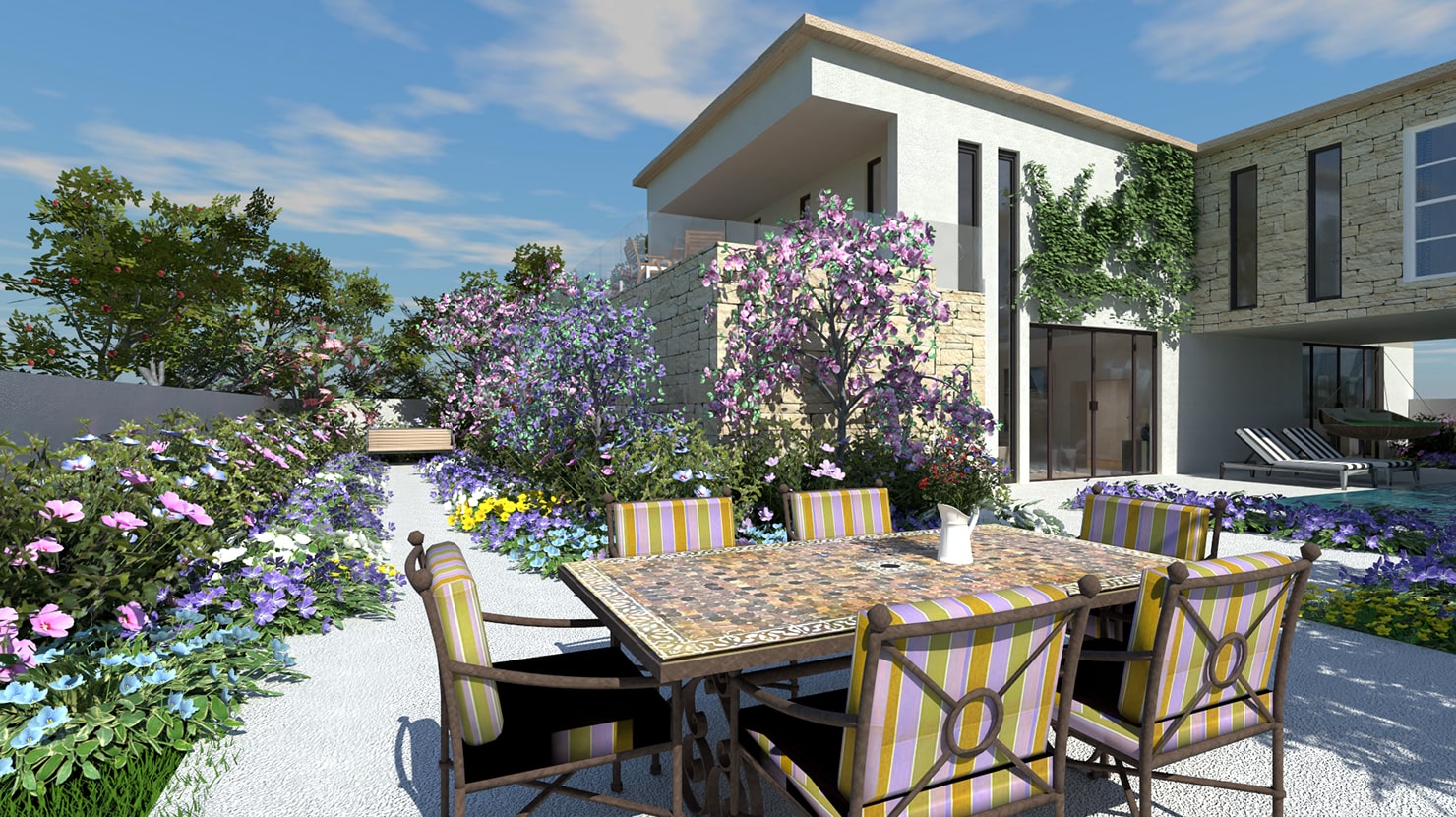
If you live in a smaller space, you can turn your interior into an oasis with the help of biophilic design. It helps to connect your house with nature through light, air, fire, natural shapes and materials, biomimicry and more. You can read more about it in our article on biophilic design.
Sustainable Materials
Speaking of biophilic design, one of the ways that you can bring more nature in is through our next interior design trend on the list, which is sustainability. Centering environmental consciousness, sustainability has been on the rise for quite some time and has led to a surge in an eco-friendly approach in architecture and interior design.
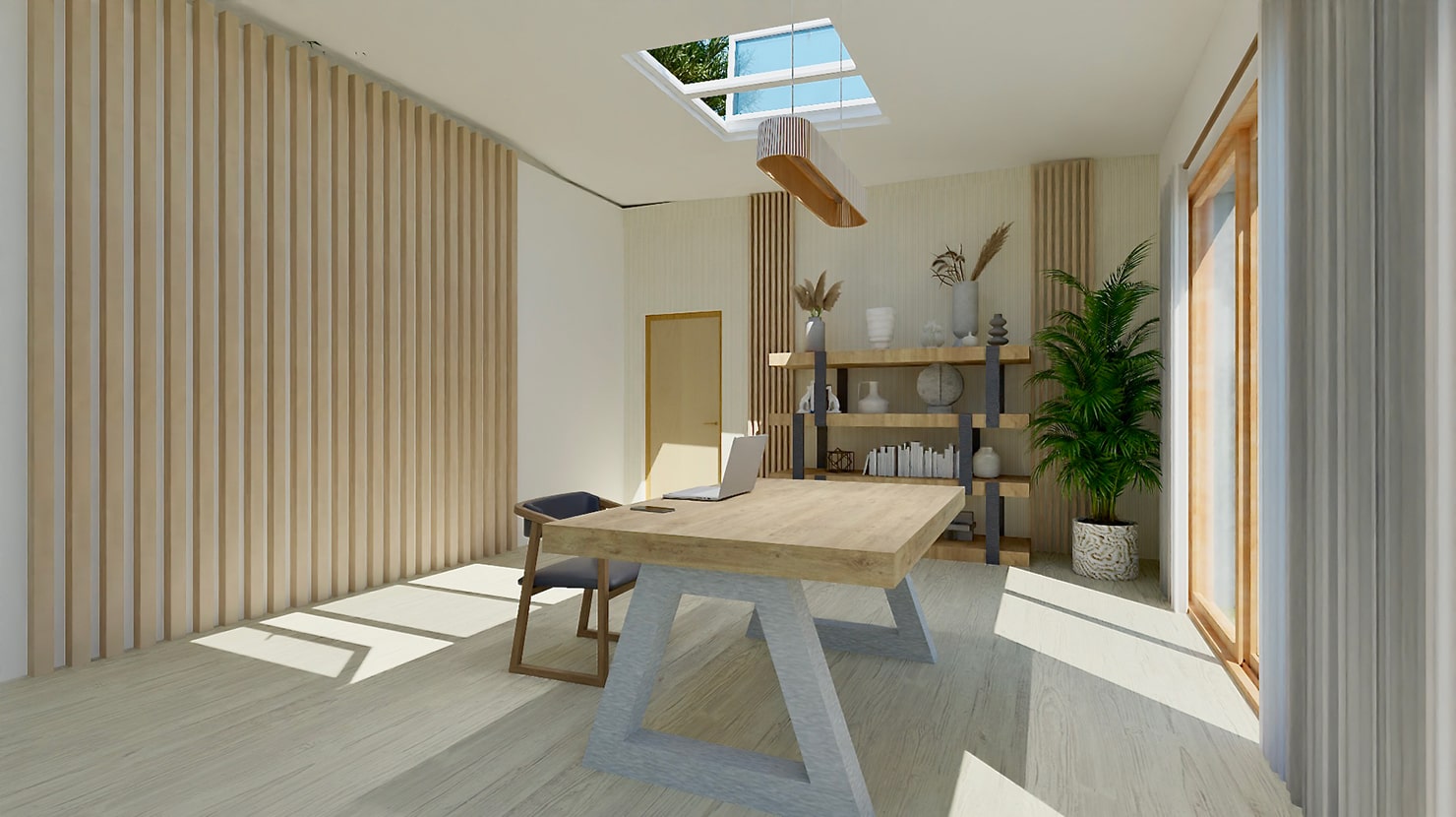
Choose materials such as wood, bamboo, cork, cotton, linen and vegan leather, as well as reclaimed and recycled materials for your furniture, textures and home decor. It will help you connect to nature indoors, which is good for your health and peace of mind.
Smart and Adaptive Spaces
With flexible living becoming the norm, smart home design is taking on new meaning in 2026. Adaptive layouts, convertible furniture, and integrated lighting systems create multifunctional spaces that effortlessly shift from work to relaxation. Smart technology enhances convenience and sustainability, making homes more responsive to everyday needs without compromising aesthetics.
Wabi-Sabi and Japandi
The modern world constantly promotes the idea of perfection in everything through social media. Wabi-sabi and Japandi are styles that challenge perfectionism in interior design. The Wabi-sabi approach is based on the idea of living a simpler life, finding balance, appreciating the beauty of nature and celebrating imperfections. Wabi-sabi teaches that age and the resulting damage that it brings should be respected instead of being scorned. So, if you own something that is not new, but is incredibly precious to your heart, don’t hesitate to integrate it into your interior design in 2026.
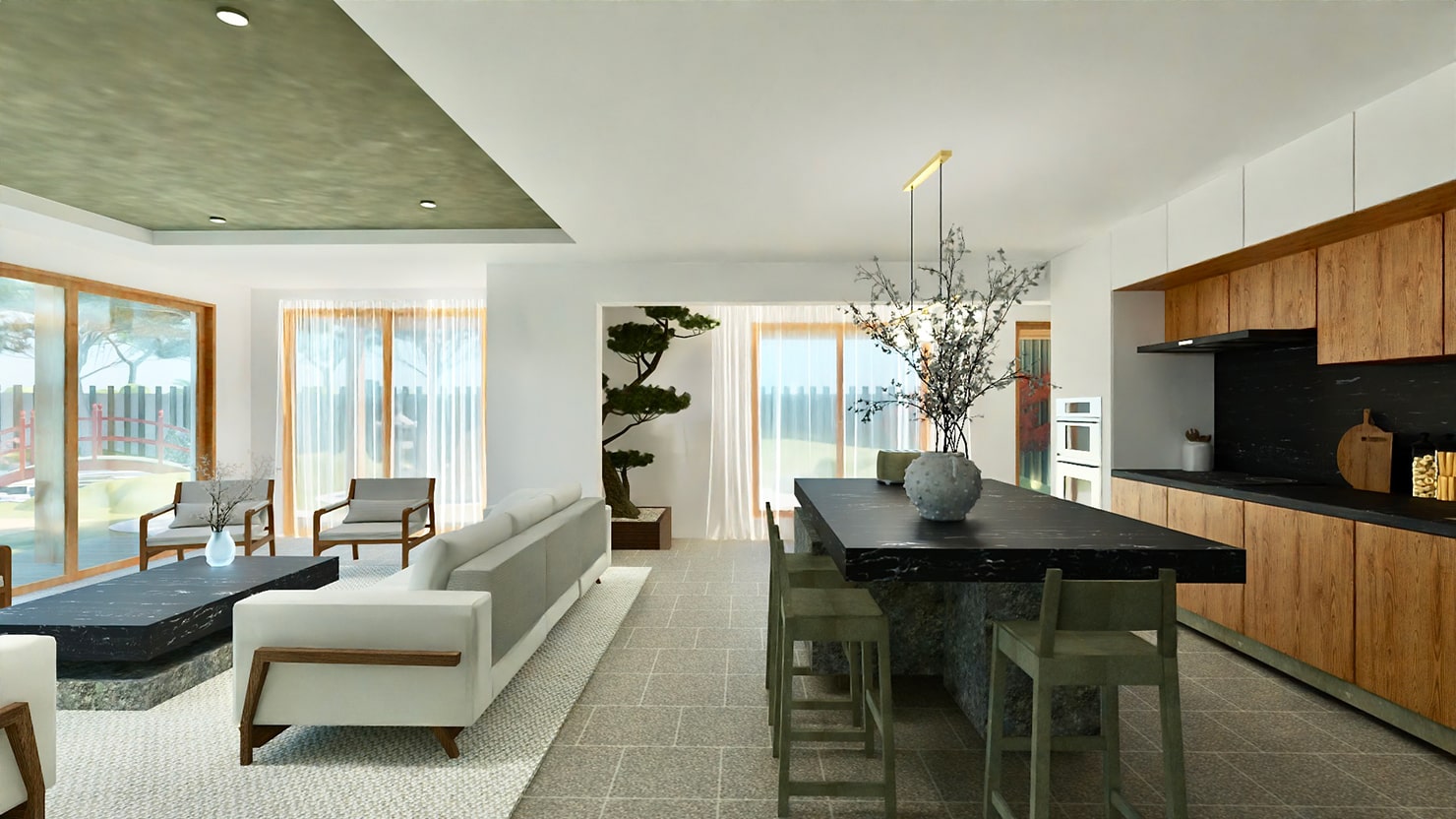
The Japandi interior style includes a lot of wabi-sabi elements; however, this style adds a Scandinavian hygge aesthetic and philosophy to the Japanese style and world view. Both celebrating natural materials and textures, these styles blend perfectly together.
To Sum Up
As we step into 2026, the focus of modern home design is clear: warmth, individuality, and connection. Interiors are becoming softer, smarter, and more expressive—spaces designed to support both comfort and creativity. Whether you’re reimagining a single room or planning a full renovation, the interior design trends 2026 offer endless inspiration for creating a home that feels truly yours.